
Investing in superpollutant projects
A case study
- July 13, 2026
Schilling Cider used Tradewater’s carbon credits as part of an intentional sustainability strategy to drastically reduce their carbon footprint.

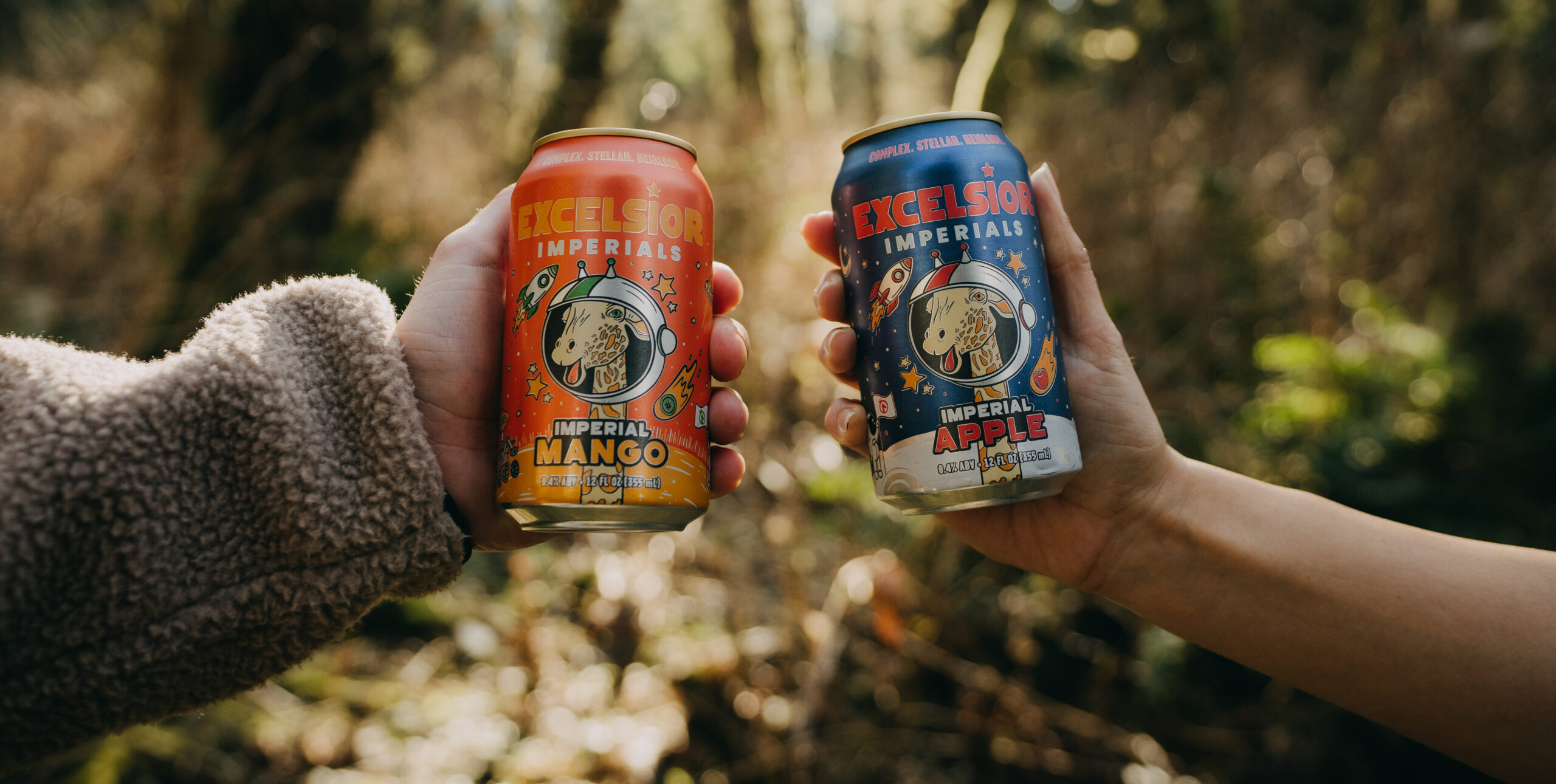
In Auburn, Washington, the vision for Schilling Cider was seeded in 2012, when co-founder and CEO Colin Schilling was on a hike with a friend that he met through an MBA program. They decided to quit their jobs to make cider together. “By February of the following year we had our permits, federal and state, and then by April we were selling cider,” Schilling said.
Sustainability was a core pillar for the company from the beginning, and building this strong environmental foundation into the business across all departments helped Schilling to create a profitable business with purpose. In line with this mission, the team began calculating their carbon footprint voluntarily in 2021. Schilling Cider has reduced its carbon emissions in various ways, such as by switching to a fully electric fleet of vehicles. The company also selected cans over bottles for recyclability, choosing to print directly onto the cans instead of using the wraps and stickers that hurt recycling rates. But to take their sustainability strategy to the next level, the team needed to look outside their own four walls.
“Our distributors use diesel trucks to ship product, our grocery store partners obviously pay for electricity to keep things refrigerated,” Schilling said. “We can never get to a point where our own operations are so negative in terms of carbon footprint that it would offset all those other partners in our value chain.”
Schilling decided to purchase carbon credits: instruments that represent a verified climate action to curb climate change. After doing some research into the different climate solutions available, he was intrigued by carbon credits generated from superpollutant destruction and mitigation projects due to their potential for huge impact at a reasonable cost. “I want the combination of the very highest quality credits that are also still in the price range that we can afford them,” he says.
![[Header image] Tradewater - US ODS - Operations center](https://tradewater.co/wp-content/uploads/2026/07/Header-image-Tradewater-US-ODS-Operations-center-1.jpg "[Header image] Tradewater – US ODS – Operations center")
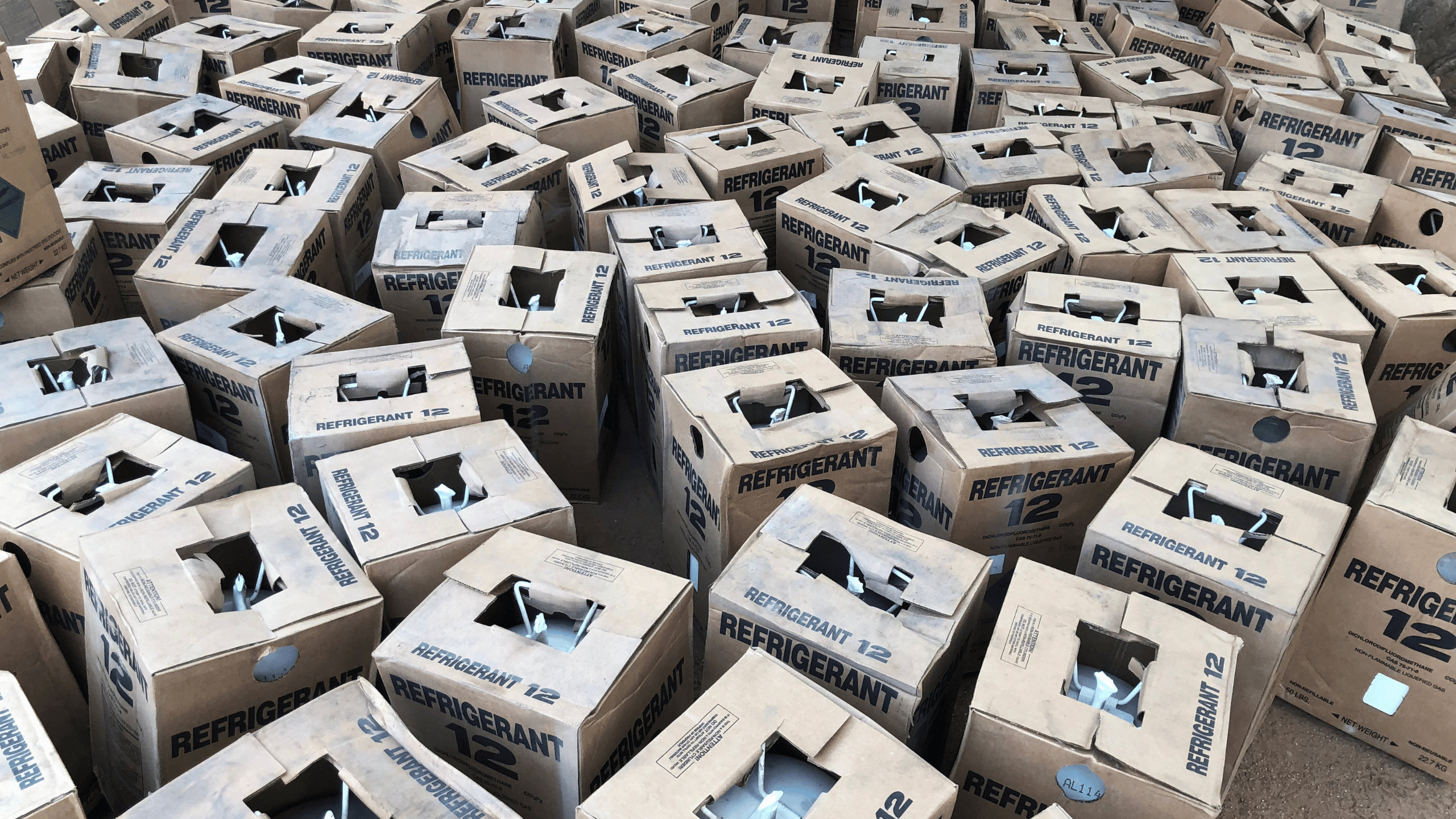
Choosing Tradewater’s credits generated from destruction of legacy refrigerants was an easy decision for Schilling. “Refrigerant destruction really struck a chord because our industry uses a lot of refrigerants,” he said. Within his own operation, he has switched to lower global warming potential (GWP) refrigerants, and he wanted to support projects to help mitigate the substantial emissions from the ozone-depleting refrigerant gases that were phased out by the Montreal Protocol.
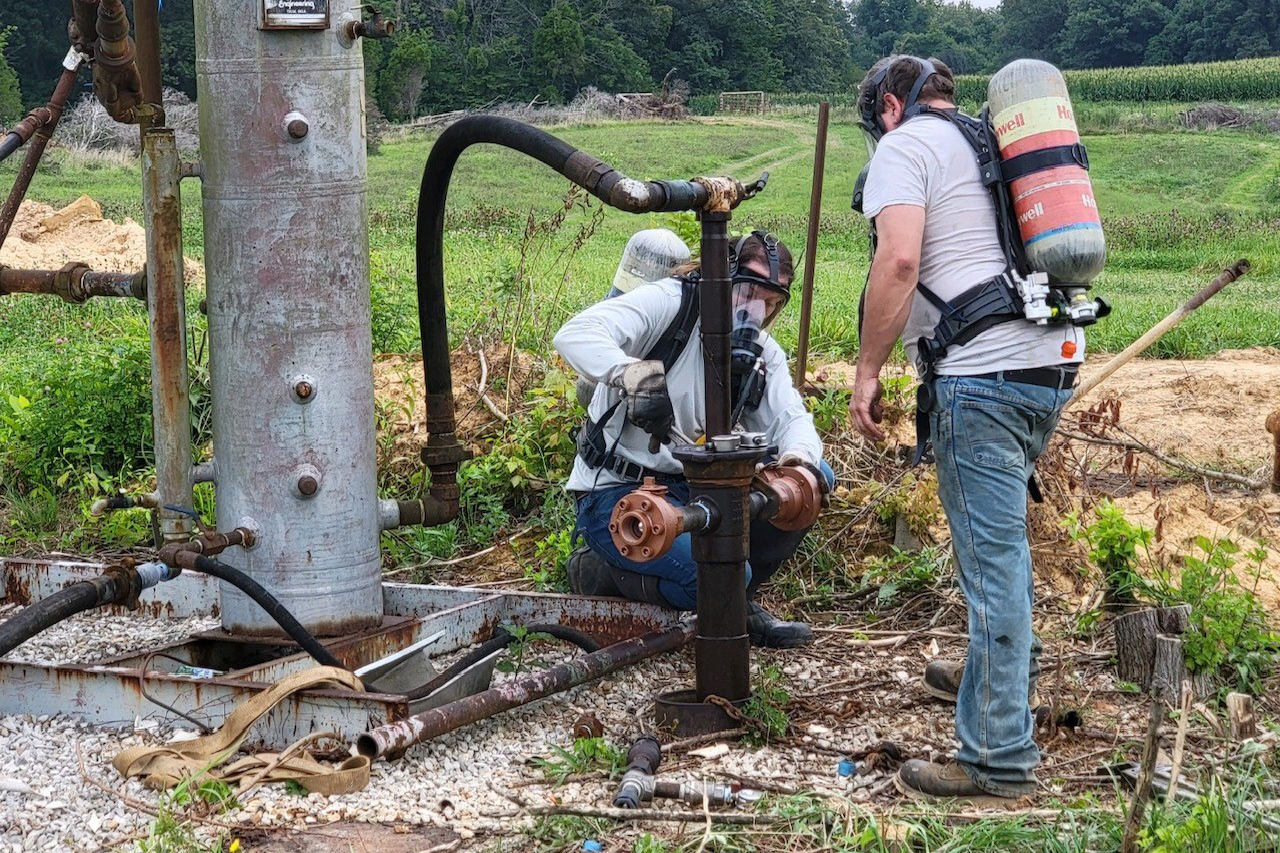
Schilling also felt strongly about helping to plug orphaned oil and gas wells in the U.S., which have no solvent owners, and have been left behind by inadequate government and private funding. “This stuff has always been annoying to me,” Schilling said, referencing his concern about the fact that many of these wells continue to spew methane daily. “No one is going to fund these projects unless companies like ours work with companies like [Tradewater]… and I love the fact that those projects are located in the U.S., where we operate.” Schilling’s investment supported Tradewater’s inaugural well-plugging projects in Indiana.
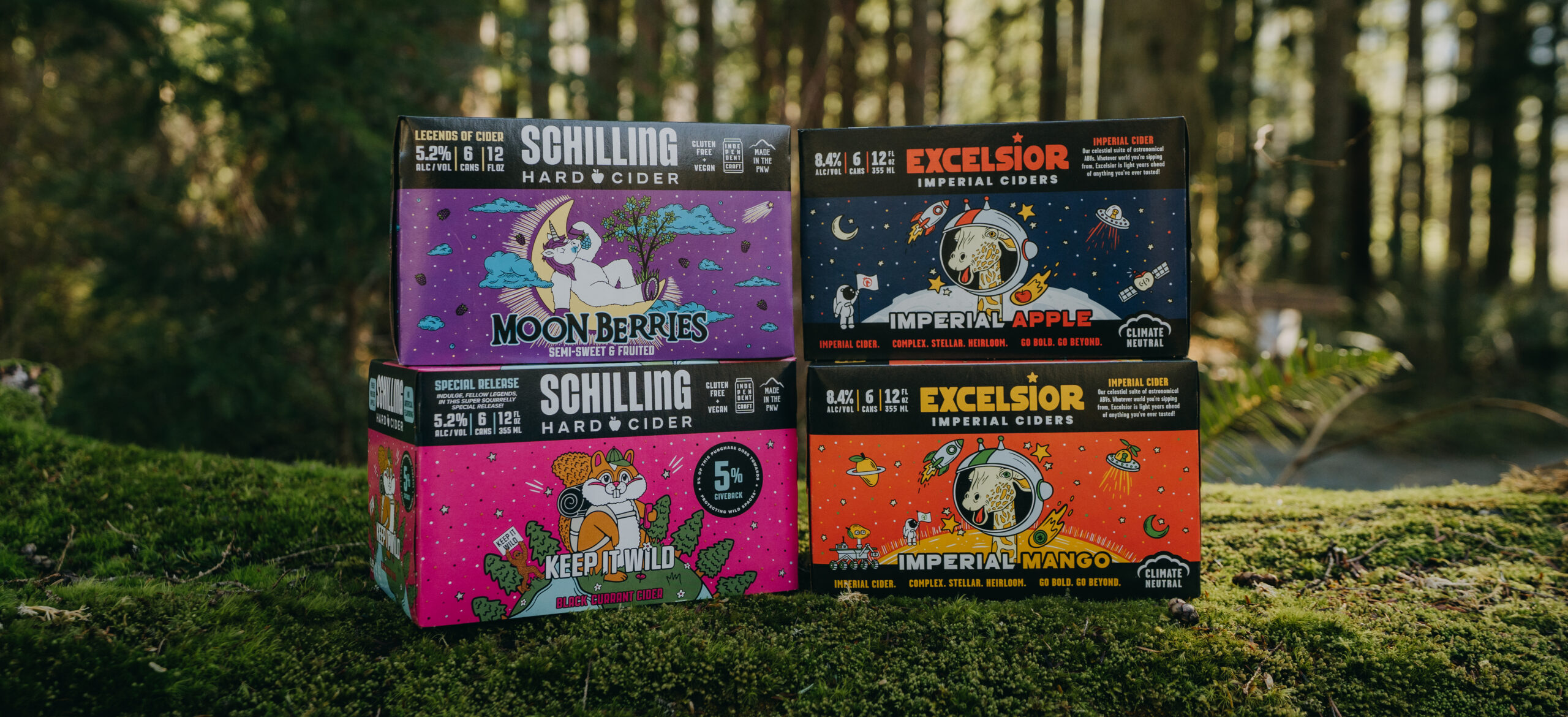
This strategy of investing in carbon credits, alongside reducing their own emissions, has allowed the company to dramatically reduce the carbon footprint of making their cider. Like Tradewater, Schilling Cider continues to innovate and engage others in the pursuit of climate action. The company recently earned The Climate Label certification for 2026, administered by The Change Climate Project, making it the only U.S. cidery currently to hold this distinction . And this year during their annual Keep It Wild Campaign in April they raised $142K for non-profits committed to protecting wild spaces, further indicating a strong commitment to taking care of the environment for the long-term.
Contact us
Jenny Morgan
Senior Market Development Manager
jmorgan@tradewater.us
Learn more about our work
Targeting superpollutants: The fastest path to climate impact
The climate crisis demands urgent solutions. While most investment flows toward long-term carbon removal, proven…

Why this work matters now
The Intergovernmental Panel on Climate Change (IPCC) has determined that we must limit global warming…
Why carbon credits are critical
At Tradewater, we believe that carbon offset credits play a crucial role in the fight…