In the field: Stories from those tackling America’s orphaned wells
Video: WM Merrill, one of our OOG 1 wells.
In a sea of soybean, an invisible threat hides in plain sight—one that weighs on the conscience of the American farmer and their family every day. Left behind decades ago, no one held responsible for safe recovery or restoration. The threat is methane leaking from a gas well.
When methane emissions and other potent gases leak from orphaned wells, global warming accelerates at 80 times the rate of CO2. Wells also leak harmful chemicals, like hydrogen sulfide, benzene, and arsenic, which contaminate the air, soil, and water around them, putting landowners, families, and communities at risk.
Deeply problematic, possible to solve
To address this critical climate issue, Tradewater developed a scientifically rigorous methodology to find, measure, and plug orphaned oil and gas wells. By working alongside landowners and local communities, Tradewater permanently stops methane emissions and other toxic chemicals in its tracks, which restores land to safe, usable conditions.
We partnered with Beyond Alliance, a dynamic coalition of companies and NGOs driving climate solutions for business, to spotlight one of these troubling wells left on land owned by Wayne Wiltshire and his family in Illinois. His story, and our work to plug their well, was featured in the documentary film produced by Beyond Alliance in 2025, From the Ground Up: Voices of the Carbon Market.
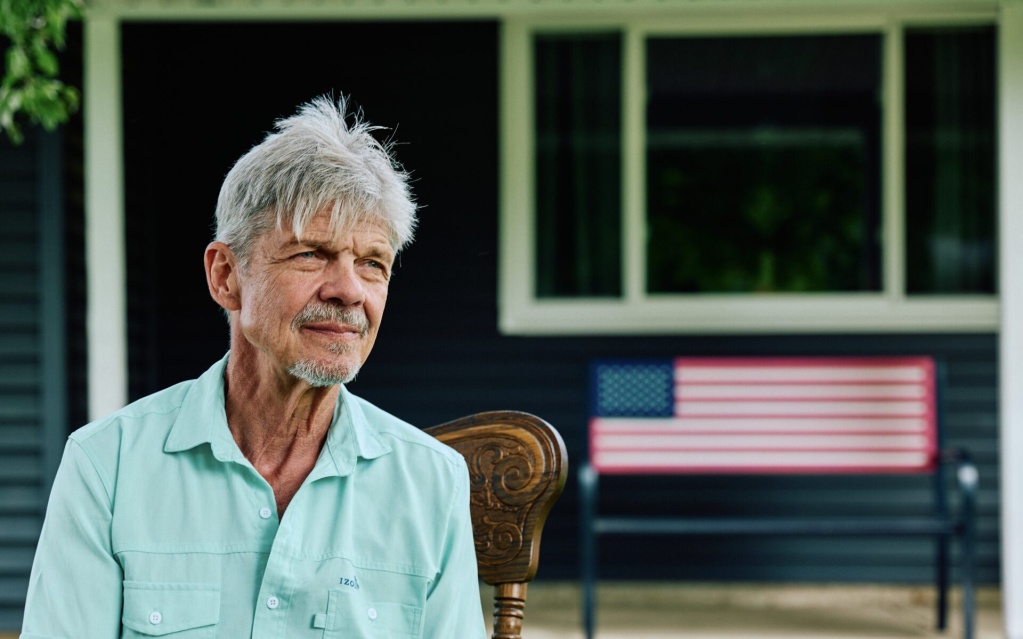
Wayne is not alone. About 14 million Americans live within a mile of a documented orphan well, making this problem too-close-to-home for one too many people. Fortunately, the well plugging process is proven, permanent, and scalable.
Since 2023, Tradewater has completed four well plugging projects preventing the equivalent of over 1 million tons of CO2 emissions and restoring land for numerous landowners and their families. Our very first orphaned oil and gas well project set us on a positive trajectory and validated our commitment to tackling this problem.
Where the dirty work began
Tradewater’s inaugural orphaned well plugging project, OOG1, consisted of three wells that posed a significant risk to the environment and surrounding community. Each of these wells was actively leaking methane and other toxic gases, damaging above-ground equipment, and creating serious safety hazards. None were included on the State’s plugging plan, so Tradewater stepped in to help.
Despite these common characteristics, each well offered its own set of obstacles. In many cases, the unique challenges significantly interfered with the landowner’s daily operations or threatened the health of nearby residents.
Our goal is to alleviate the most severe impacts of these unwanted wells. What that impact looks like in reality isn’t always captured in data alone. The following stories from our field team bring these wells to life, sharing firsthand what it takes to do this work and the difference it makes for the communities around them.
Midwest well #1: Danger in the corn
On a cold January day, the Tradewater field team joined a landowner at the crest of a hill where an orphaned well, now a rusting, 20-foot-long mess of pipes, sat exposed to the surrounding corn field and farm equipment. A sister well sat a few hundred feet downhill.
Upon first examination, the team discovered a broken pressure gauge, broken chart recorder, and deteriorating auxiliary piping. The landowner expressed fear and uncertainty around the potential presence of hydrogen sulfide and what may happen if the valves fully corroded and broke open.
In addition to actively leaking methane, lab analysis of the gas confirmed what the landowner feared most: hydrogen sulfide (H2S)—25 times beyond safe limits. Direct exposure to a release from this well could have resulted in death.
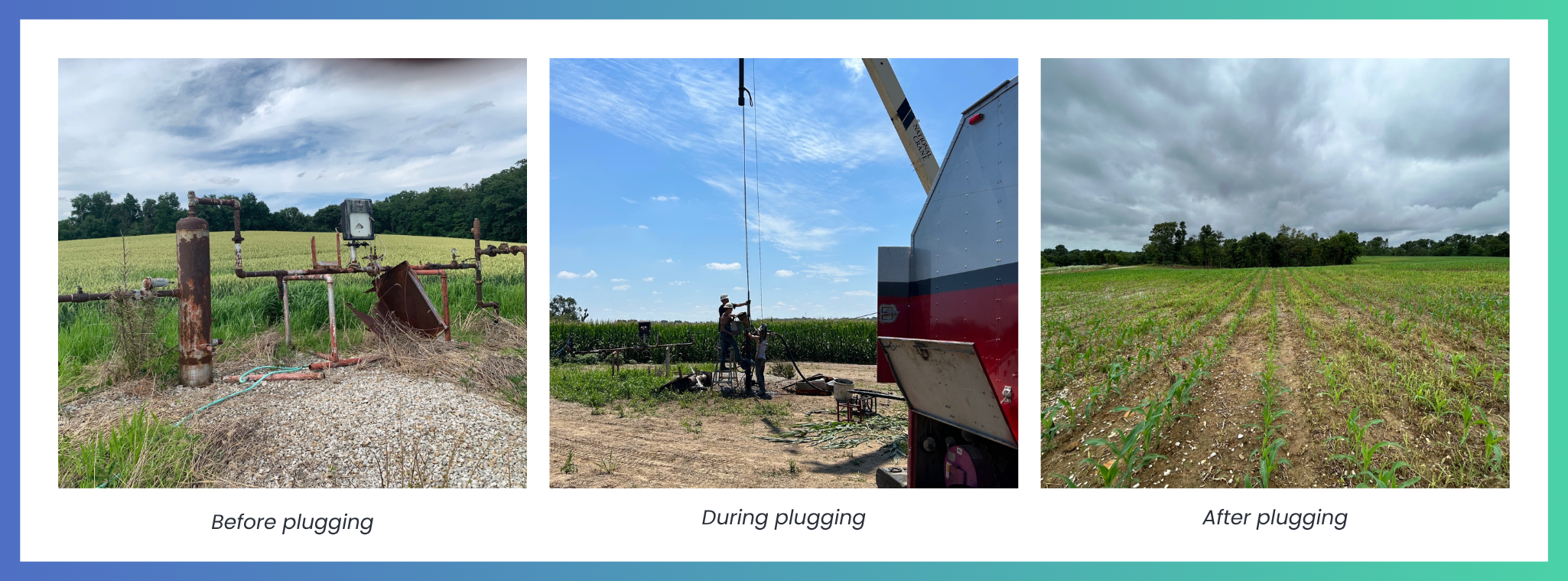
After hearing the landowner’s concerns, observing the leak firsthand, and quantifying the potential methane emissions at the wellhead, Tradewater successfully plugged the 1425-foot deep well.
Follow-up evaluations confirmed zero methane leaks from the well, further reinforced by the conditions of the site two years post-plugging. New rows of corn now grow in straight lines, a configuration that wasn’t possible in the presence of a faulty, leaking well.
Midwest well #2: On the edge of failure
On a hot July evening, the Tradewater team rode with a landowner in their off-road vehicle. Traveling nearly a mile into the property, past a pond, down a dirt path lined with tick-filled trees, across a hilly bean field. This was the last field visit in a long day traversing several properties. Finally, the well appeared — hidden in the brush at the edge of the woods.
The well consisted of rusted casing with a ball valve, a broken pressure gauge, and a broken tee that a large colony of wasps turned into a nest. Measurements detected methane leaking from two points. Upon further inspection, the team realized if the ball valve fully corroded, methane would freely emit into the atmosphere, dramatically increasing emissions.
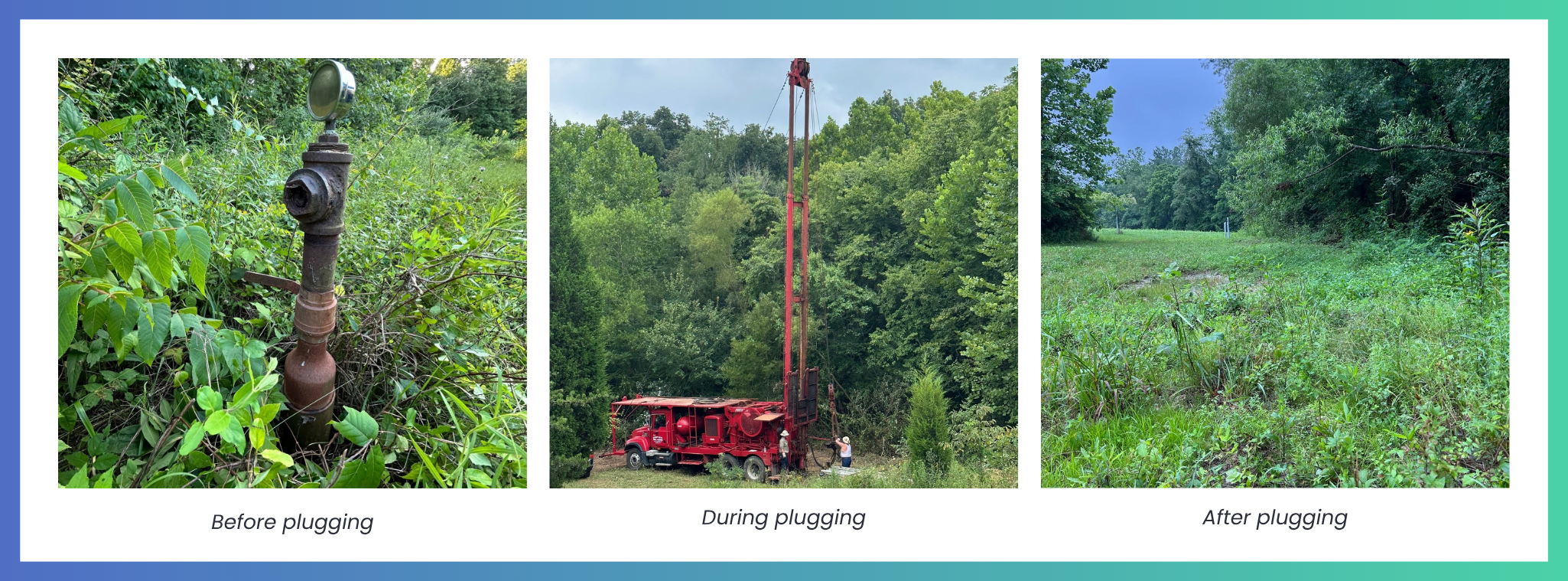
After navigating the necessary equipment to the remote and rugged site, the well was successfully plugged using Tradewater’s high-integrity methodology.
In visiting the site post-plugging, Tradewater found no trace of the former well, but rather pristine woodlands. Without the dangers of a pressurized wellhead hiding on their property, the landowner reinstated their annual turkey hunt with friends and family.
Midwest well #3: Fine black powder problem
On a warm November day, the Tradewater team pulled off the side of a busy highway after spotting a well in a low-lying area of a field, easily visible after a recent soybean harvest. Unusual casing and piping lay rusted and contorted in a pile amid crumbling cement.
Despite what appeared to be a recently replaced ball valve, the team confirmed the well was actively leaking methane.
During the measurement process, the team discovered that in addition to methane emissions, the leaking gas also contained dangerous levels of hydrogen sulfide and a fine black powder, originally thought to be coal fines. Because of the black powder, Tradewater built a custom filter to safely measure the well’s flow rate.
After measuring was complete, the team returned to the storage yard and discovered their equipment was smoking. The black powder was identified as iron sulfide, which is naturally found in that region and self-ignites when exposed to air. If the ball valve or casing failed, not only would large amounts of methane be emitted to the atmosphere, but the iron sulfide would spray from the wellhead — creating a significant safety risk for the landowner and a nearby home located 500 feet away.
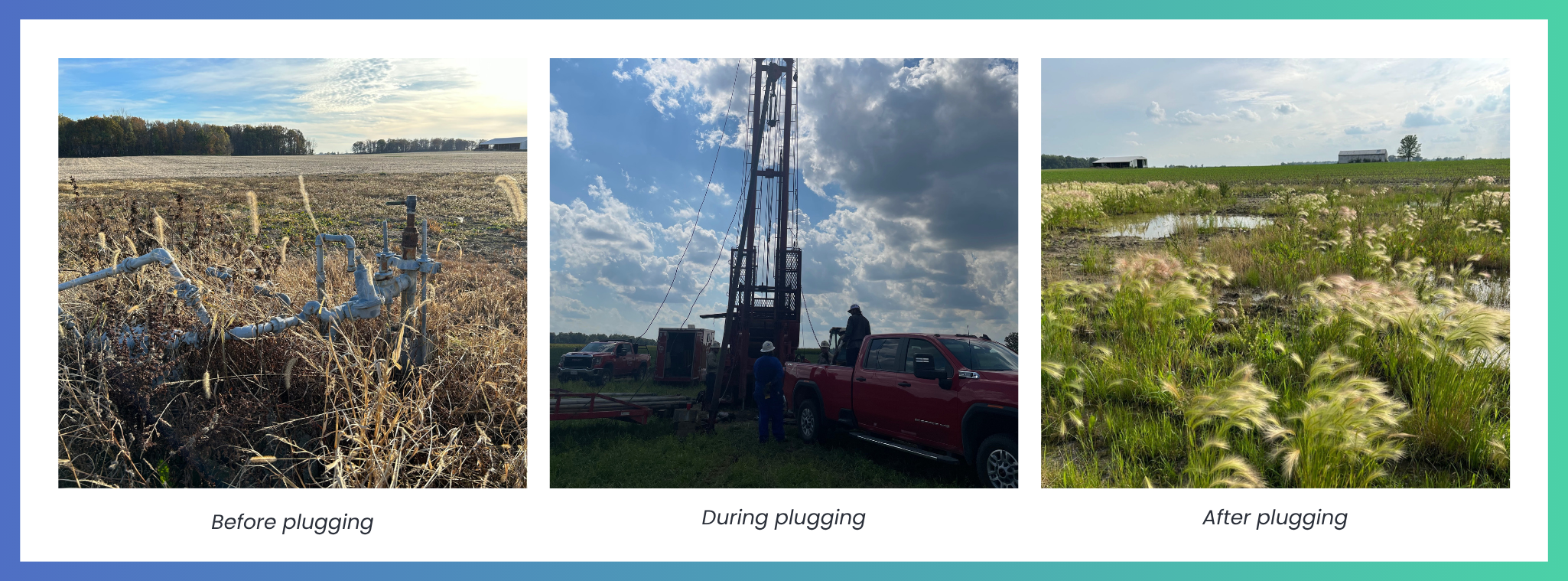
When it came time to plug, this well presented several unique challenges. First, the wellhead was frequently submerged by six inches of water. After the wet season passed and the field dried out, the team discovered that the well’s configuration did not match the original drilling reports and was constructed differently from many other wells in the area. The local plugger and inspector scratched their heads.
Working closely with local Department of Natural Resources, Tradewater adapted the plan to plug these wells and went beyond standard measures to ensure the well would be fully sealed. The team performed two post-plugging monitoring tests resulting in zero emissions of methane, hydrogen sulfide, or iron sulfide. Nearly two years later, the effectiveness of this work was highlighted by the abundance of natural grasses sprouting from the wet ground.
Going above and beyond
In all, plugging these 3 wells prevented 280,534 tons of CO2e.
During this project, Tradewater also plugged an additional six orphaned wells in the area. Each well offered a unique fingerprint of challenges and learnings and while carbon credits were not generated from these six additional wells, a significant environmental benefit resulted from their plugging.
Make an impact, today
Learn more about our work
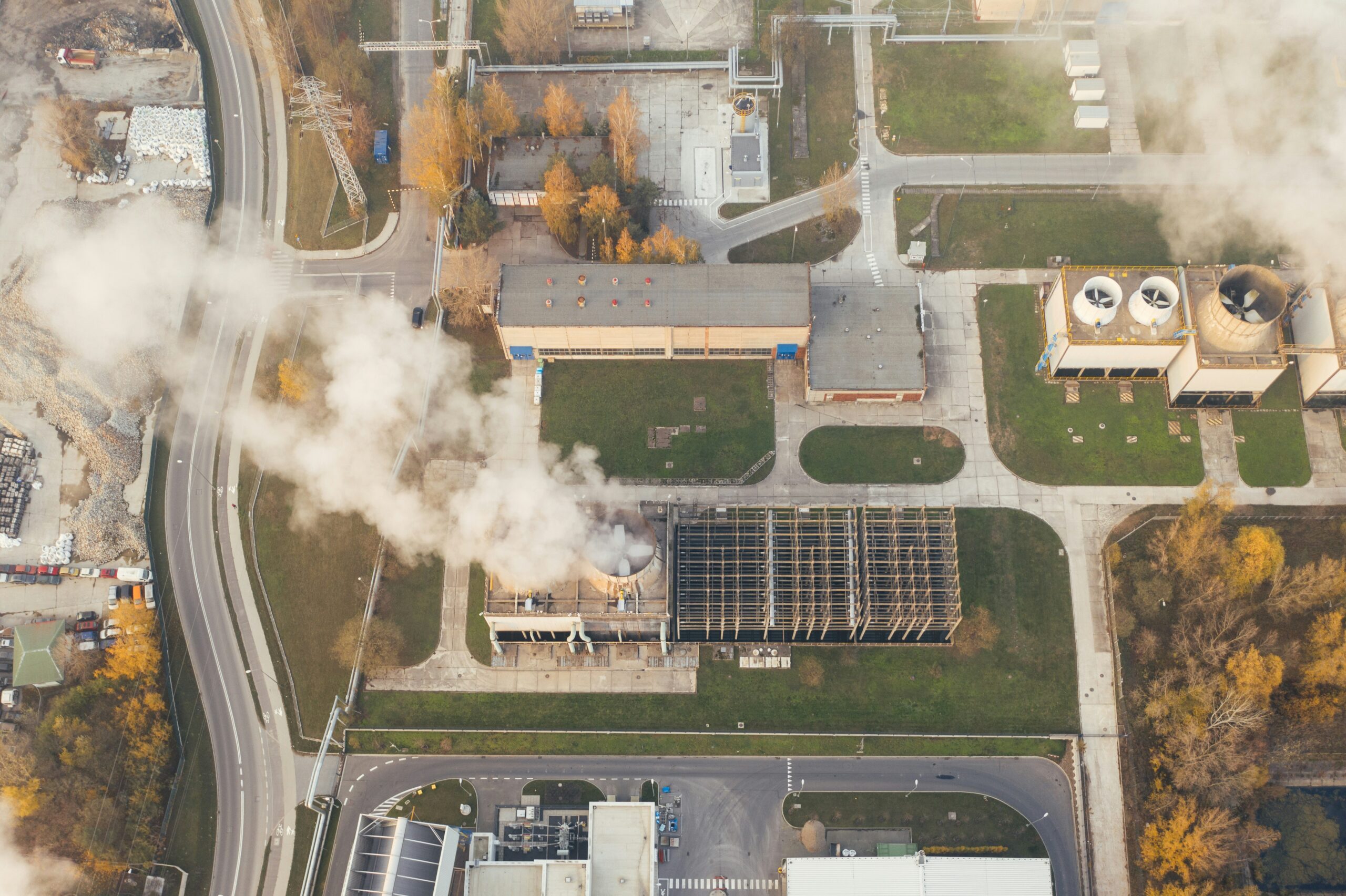
Targeting superpollutants: The fastest path to climate impact
The climate crisis demands urgent solutions. While most investment flows toward long-term carbon removal, proven…
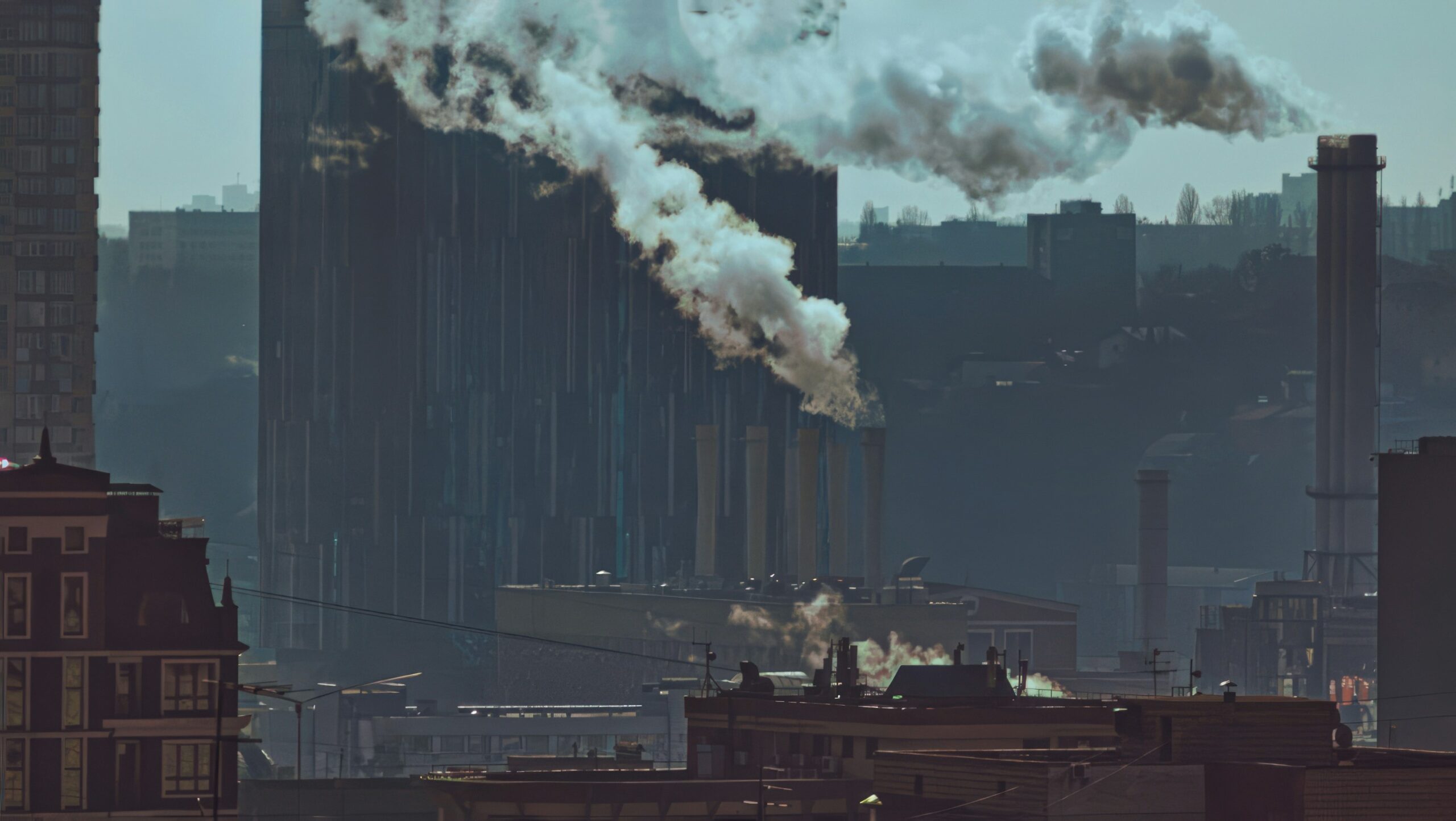
Why this work matters now
The Intergovernmental Panel on Climate Change (IPCC) has determined that we must limit global warming…
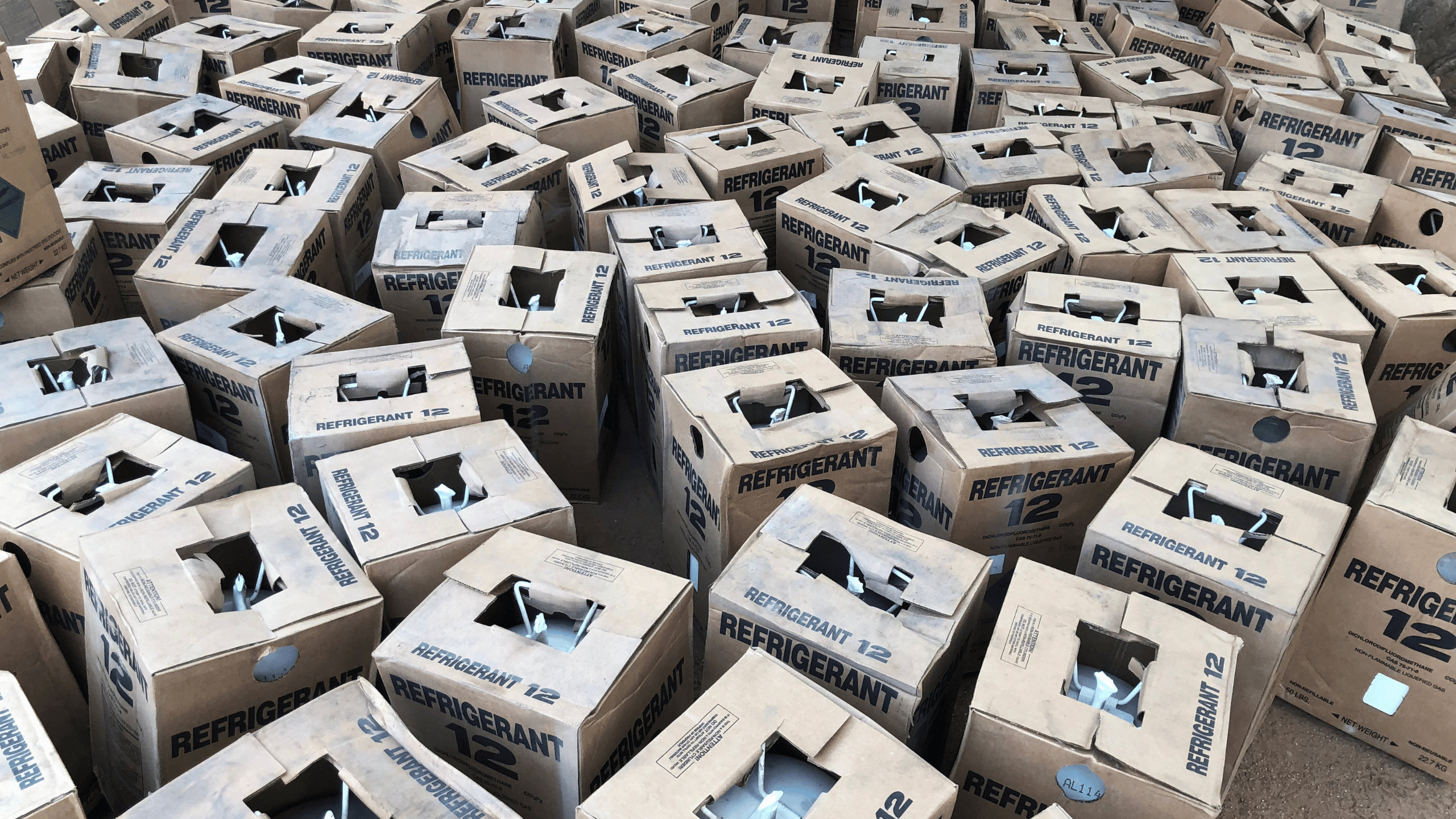
Why carbon credits are critical
At Tradewater, we believe that carbon offset credits play a crucial role in the fight…