Leaders at GreenBiz26 resoundingly agree, climate action requires a diversified approach
- March 02, 2026
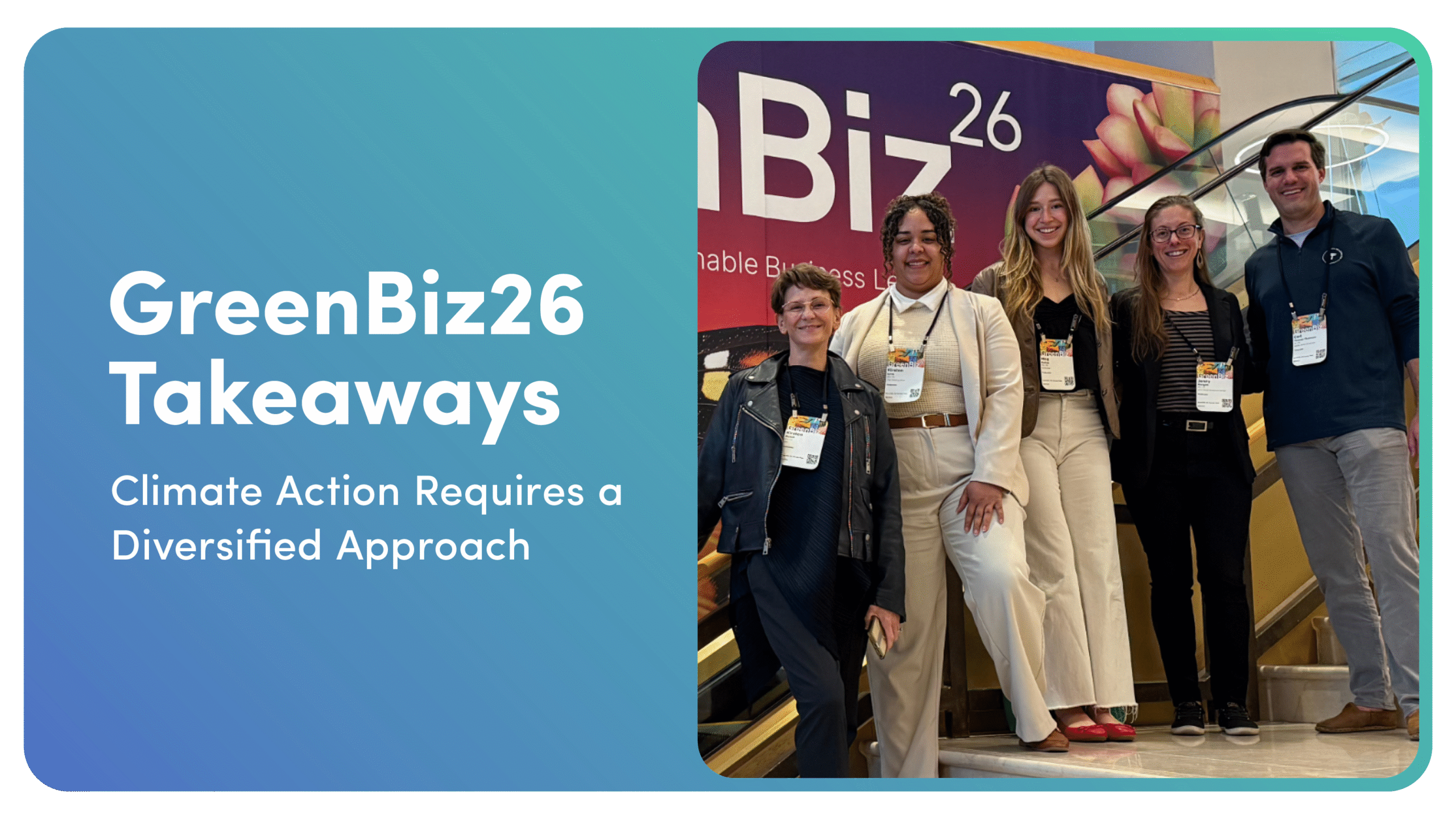
If there was one through line that resonated at GreenBiz 2026, it was the dichotomy between the urgent need for decarbonization systems to evolve in line with a changing climate and a fragmented political and global regulatory system. Whether on stage, in breakouts or by the coffee stations, the questions these sustainability leaders grappled with were: how do we focus on the levers that quickly adapt outdated systems to ones defined by the risks and opportunities of a changing climate? How can the global economy better balance short- and long-term risk management and bring along the systemic change we need, even if incremental?
Trellis Founder Joel Makower’s stubborn optimism – “nothing is pre-ordained; we are still writing the story” – acted as balm for the pragmatist practitioners in the room who acknowledged we are all operating in an era of hyper prioritization – “prioritize the non-negotiables.” The story of how we bend the curve on global warming is still being written, with clear examples of courage, influence, initiative, investment, risk mitigation, and prioritization emerging across an action-packed week.
Here’s what stood out to us in particular:
As companies continue to shift from a clear understanding of and approach to Scope 1 and 2 emissions reductions, Scope 3 remains the indefatigable monster. Years past emphasized deliberate supplier relationships, collective action on renewable energy, and investments in site-based, energy-related improvements. This year, there was unified appreciation for a more diversified approach between avoidance, removal, and everything in between.
Balanced portfolios matter more and more as companies tie decarbonization projects together toward a net zero total, we heard. So how can we better protect decarbonization strategies with a portfolio approach that allows for a blend of project types with short and long-term investments – and return timelines? Practitioners from companies like Amazon and Google are institutionalizing their approach to carbon removal with specific workstreams dedicated to vetting and investing in these projects.
“We need to be intentional about how we fund and structure solutions that deliver near-term and long-term impact,” said Randy Spock, Head of Carbon Credits and Removals at Google. Amazon’s Michelle Jolly, Director of Sustainability Solutions, shared how they are using their role as a large player to conduct the deep due diligence required to vet and verify carbon credit projects to then support their broader value chain with trusted investment opportunities. Amazon also used the moment to launch their new carbon credit service on their Sustainability Marketplace. Creating a pathway to scale was a sentiment we heard echoed from other large companies as well. As a tech company, Amazon’s comfort with experimentation allows it to lead the way.
The Tradewater take: Project diversity protects the decarbonization strategy with high-integrity portfolios blending removals and avoidance. If super pollutants account for almost half of global warming, what role do they play in your organization’s path to net zero?
Given super pollutants account for 30-50% of global warming, it was validating to see them on the agenda firmly this year as corporate, nonprofit, and other sustainability practitioners leaned into what’s working and how to build the next decarbonization funnel. With multiple sessions discussing the importance of addressing super pollutants, which include gases such as methane and halocarbons, the conversation was less about the why and much more about how: how can super pollutants become a bigger part of organizations’ decarbonization portfolios? With a clear business case for investing in immediate, permanent emissions elimination, given the pressures being created by AI and data centers, how do you evaluate project quality and what does scale look like?
The Tradewater take: Super pollutants are potent, short-lived non-CO₂ gases and that spells opportunity. We cannot choose between long-term CO₂ strategies and near-term super pollutant mitigation. We need both: immediate action to help avoid tipping points, and long-term action because carbon stays in the atmosphere for centuries. Acting now on super pollutants will allow us the much-needed time to mitigate and adapt for the latter half of the century.
With geopolitical pressure, urgency, and budget constraints, integrity and efficiency matter more than ever. Quality is non-negotiable. In this era of hyper prioritization, corporations and universities are asking the right questions: is this real impact? How can you prove additionality and permanence? How can we accelerate the scalability and immediacy of impact and delivery of credits from these projects?
The experts, including team members from Tradewater, ClimeCo, and others, offered a simple solution: we need to discuss quality in human terms. This work is ultimately about helping people. The landowner who is stuck with an orphaned oil well leaking methane, depleting the soil nutrition and polluting their immediate environment, impairing their ability to make an income from the land or live a healthy life. Sure, the documentation and methodologies are critical, as are the ratings and approval processes. However, in their essence, these projects are stories about people.
The Tradewater take: Our work has always been about the people we’ve helped in our 10+ years as Tradewater. We believe in sharing the co-benefits and impacts, prioritizing the human impact, and moving capital to high-quality projects that scale.
Amidst all the talk of super pollutants, there was ample discussion around balancing our appetite for optimization and efficiency with our capacity to learn. Julio Friedman, Chief Scientist at Carbon Direct, opened a panel discussion on the role of super pollutants in sustainability strategies. Joined by Tradewater CMO Kirsten Love, Friedman made it clear that this work is groundbreaking. We’re charting new territories. We’re learning the science of carbon removal. We are testing what’s possible, how fast, and at what scale. It’s an iterative exercise, and we may learn more by moving forward and being nimble instead of waiting for perfection.
Mr. Spock of Google called it a “continuous set of learning experiences.”
The Tradewater take: Across the Tradewater team, we work hard to keep everyone involved in these projects closely informed. This is not a once-every-three-years exercise. We see the companies that are getting it right build continuous feedback, learning, and execution cycles – and reporting progress internally, consistently. That way, it is embedded in the business, not a one-time grant making exercise.


About Tradewater
A certified B Corp, Tradewater directly combats climate change by identifying, collecting, and eliminating the release of non-CO₂ super pollutants—including halocarbons from old refrigerants, excess halon gasses from canisters, and methane from actively leaking oil and gas wells. These critical environmental actions generate high-quality carbon offset credits. The Tradewater team has eliminated over 10.6 million tons of CO₂ equivalent since inception and is on a path to prevent at least 30 million tons by 2030—similar to removing nearly 7 million gas-powered cars from U.S. roads. Every Tradewater credit is backed by rigorous third-party verification and issued by leading registries to ensure maximum integrity, additionality, and accuracy. Learn more at www.tradewater.co.

Media contact
Kirsten Love, CMO, Tradewater
klove@tradewater.us
312.273.5122 x 1035
Learn more about our work
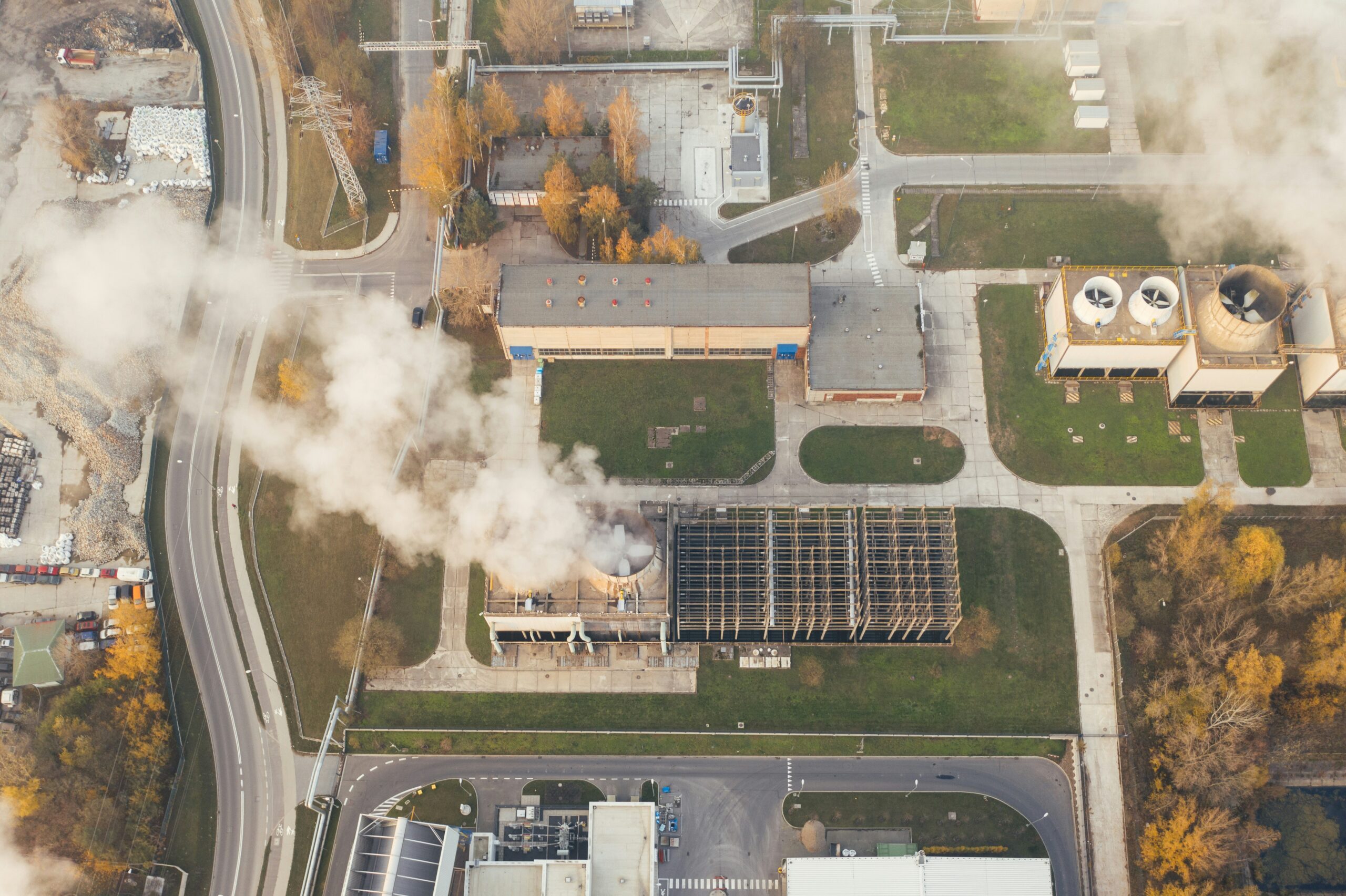
Targeting superpollutants: The fastest path to climate impact
The climate crisis demands urgent solutions. While most investment flows toward long-term carbon removal, proven…

Why this work matters now
The Intergovernmental Panel on Climate Change (IPCC) has determined that we must limit global warming…
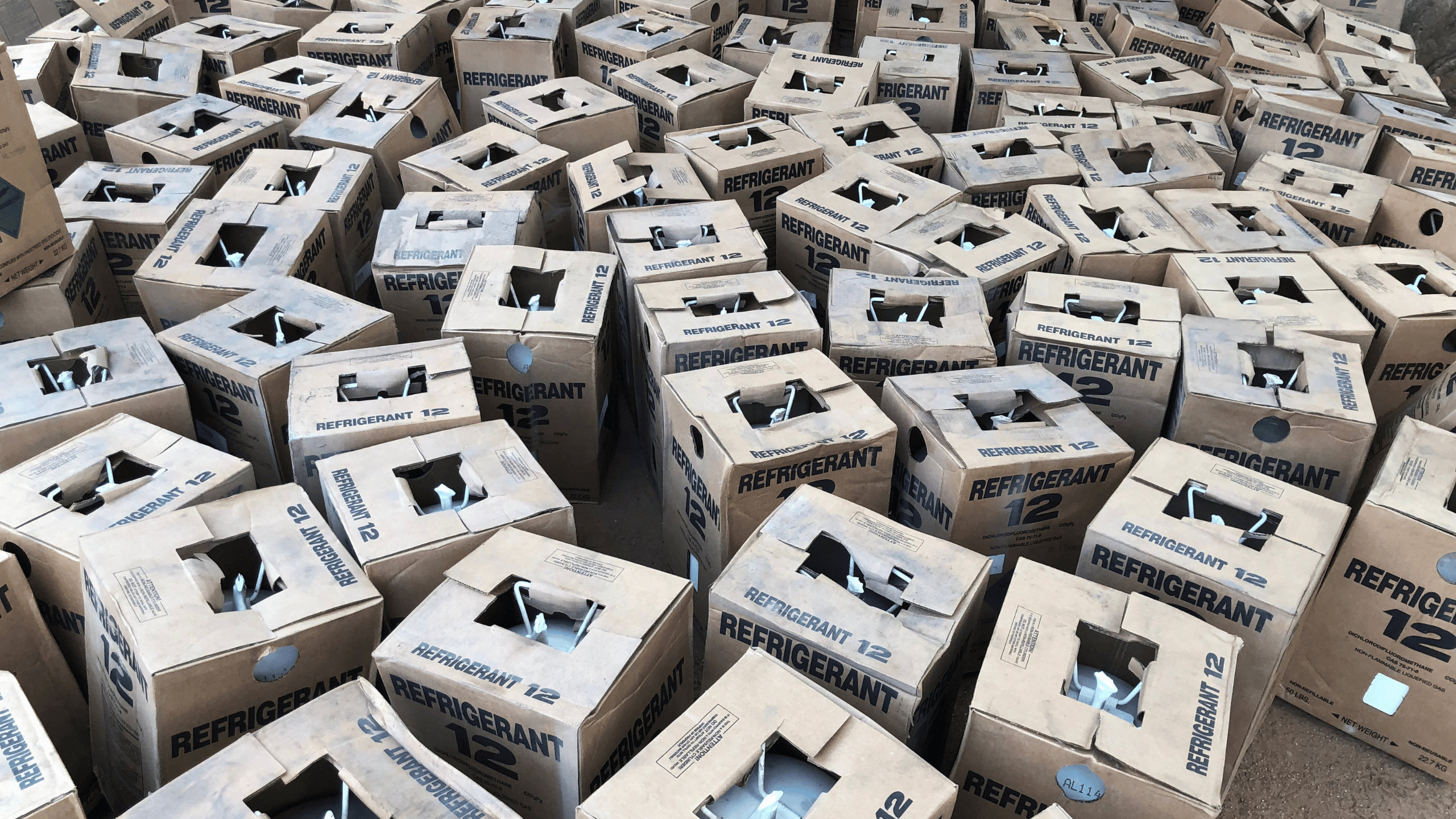
Why carbon credits are critical
At Tradewater, we believe that carbon offset credits play a crucial role in the fight…