Today, our ozone is slowly healing. Carbon finance provides a tool to keep protecting it.
When it comes to protecting our planet, prevention is better than cure. Many of the…
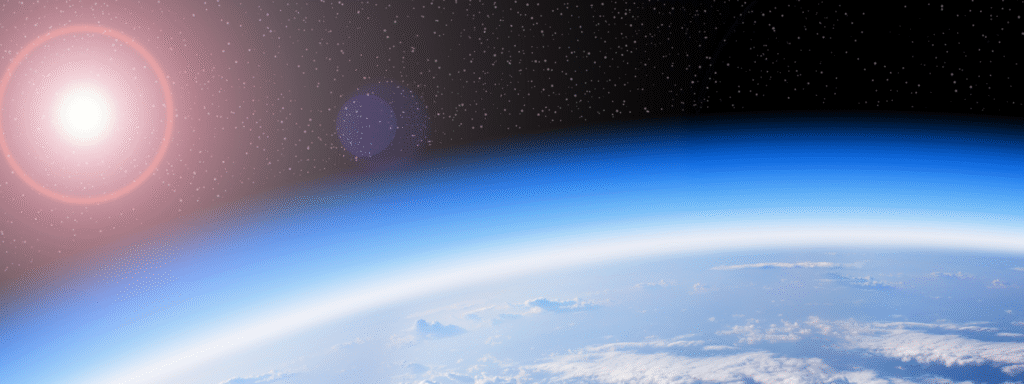


Twenty years ago, in September of 2006, scientists observed the largest ever area of the ozone’s hole, measuring 10.6 million square miles. And in the same year, the ozone hole also broke records for being the deepest it had ever been. Two decades on, and the ozone is slowly healing. A report from the World Meteorological Organization (WMO) showed that in 2024, the ozone hole was smaller than in recent years.
When it comes to protecting our planet, prevention is better than cure. Many of the substances responsible for this past ozone damage now face production bans, but legacy materials remain scattered around the globe. Given enough time, they will escape and do damage to our atmosphere. By funding projects that allow these ozone depleting substances (ODS) to be sequestered and destroyed for good, we can keep the ozone on a healing trajectory.
The ozone layer provides our planet with a natural sunscreen. By absorbing UV radiation from the sun, it protects us from UV-B that can damage our DNA. Heightened exposure to UV-B can trigger surging cases of skin cancer and cataracts, as well as negatively impacting agricultural productivity, resulting in shortages of food.
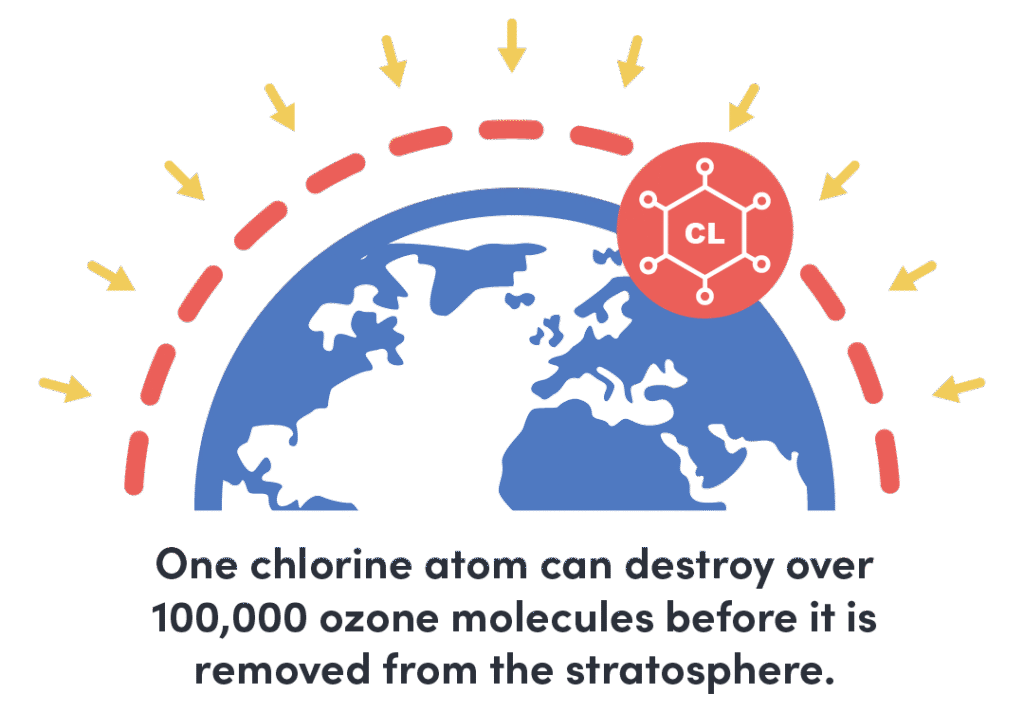
But this crucial protective layer is not invincible. As we ushered in the age of industry and modern conveniences including mass refrigeration, we also put our ozone at risk. Many of the chemicals manufactured by humans and used ubiquitously all around the world are in fact ODS. Some compounds release chlorine and bromine atoms when exposed to UV light, and these atoms can destroy ozone molecules.
Our understanding of atmospheric ozone damage developed in 1979, when the area of depletion over Antarctica grew to 1.1 million square kilometers. This devastating news prompted the international collaboration to protect the ozone layer that continues today.
In 1987, the signing of the Montreal Protocol was a crucial milestone in international efforts to protect the ozone. This landmark agreement was signed on the 16th September: the day we now recognize as World Ozone Day.
The Montreal Protocol set a phase down schedule for CFC refrigerants (known commonly as Freon) that damage the ozone layer. Developed countries reduced their production of these gases first, with developing countries to follow. Later amendments to the Protocol accelerated the phaseout of ozone-depleting substances (ODS), including HCFCs. Developed countries have reduced HCFC consumption with a phase out by 2020, while developing countries are phasing out HCFCs by 2030.
And remember, a win for the planet is also a win for human health. According to one long-term model, protecting the ozone will prevent 443 million cases of skin cancer and 2.3 million skin cancer deaths in the US alone.
To make sure that the ozone continues to heal, it is important that ODS do not reach our atmosphere. But no law requires the cleanup of the large volumes of gases that were left behind after the Montreal Protocol was signed. These canisters of CFCs and other phased out refrigerants are all around the world, and it takes a coordinated scavenger hunt to track them down.
If this work isn’t done, many of these containers will ultimately degrade and deteriorate, releasing their contents into our atmosphere, counteracting the progress we’ve made in recent decades. A study shows that CFC-11 and CFC-12 continuing to leak from aging equipment and foams could delay recovery by six years.
Improperly stored containers are more likely to degrade quickly, and time is running out for preventing this dire scenario. Getting to the canisters before the gases escape is a race against rust. There’s still time to save many of them, but that window of opportunity is closing fast.

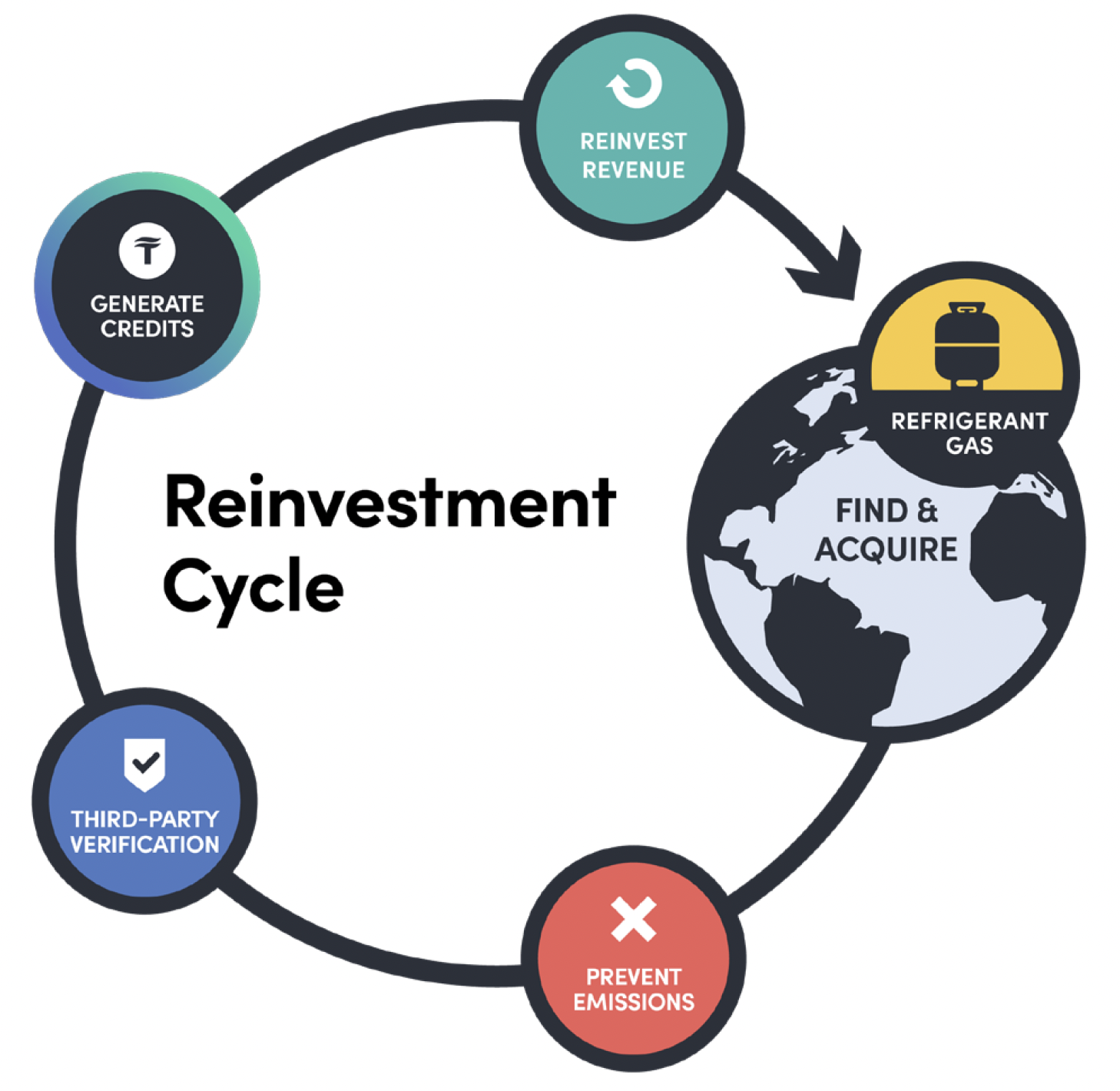
At Tradewater, we pioneered ozone-depleting substance (ODS) projects in the voluntary carbon market and have built a global system for sourcing, collecting, and destroying these gases safely and permanently. Our team is doing this important work across the globe, and carbon finance is what allows us to continue tracking down more and more canisters of these harmful gases that are destined for destruction.
We work on a positive reinvestment cycle: every carbon credit purchased from is helps us to fund new projects to mitigate these superpollutants. This self-sustaining model hinges on us making these gases more valuable destroyed than released. Our carbon credits are high-integrity and low risk, and they make “doing the right thing” economically viable for businesses.
Selling these credits creates our funding stream to expand our efforts. Put simply, without carbon markets, this work simply does not happen. When companies and individuals purchase our carbon credits, they are directly allowing us to scale our impact to find, aggregate, and destroy the gases that threaten our ozone layer
When it comes to protecting our planet, prevention is better than cure. Many of the…
For first-time carbon credit buyers that want to prioritize tangible near-term results, superpollutant credits are…

Buying carbon credits for the first time and don’t know where to start? This guide…
Schilling Cider used Tradewater’s carbon credits as part of an intentional sustainability strategy to drastically…
As organizations build their climate portfolios, integrity remains top of mind, and diversification is a…