Why superpollutants belong in climate portfolios
As organizations build their climate portfolios, integrity remains top of mind, and diversification is a…

As organizations build their climate portfolios, integrity remains top of mind, and diversification is a strategy to mitigate risks. The evaluation of portfolios should include the volume of emissions mitigated, but also the scientific rigor, transparency, durability, and measurable climate outcomes associated with the projects.
Within this broader shift toward high-integrity climate action, superpollutants are emerging as an increasingly important category of mitigation. And, because superpollutants have significantly higher global warming potentials than CO₂, reducing and preventing these emissions can generate outsized climate benefits over shorter time horizons.
Superpollutants are a group of non-CO₂ gases—methane, halocarbons, nitrous oxide, and black carbon—that are far more potent than CO2 and unable to be removed from the atmosphere once released. These gases warm the planet at an exponential rate, so reducing them has the potential to slow near-term warming at a rate far higher than CO₂ strategies alone. This can buy us critical time to scale long-term solutions.
For companies building their climate impact portfolio, there are different types of superpollutant projects to choose from. Superpollutants come from different sources, behave differently in the atmosphere, and projects vary in cost, scalability, and mitigation potential. Understanding these distinctions is essential for anyone evaluating their approach to decarbonizing not only their own operations but also their wider supply chains.
Five major superpollutant categories stand out, each representing a distinct set of opportunities for climate leaders to take action:
This gas is responsible for around 30% of global warming since pre-industrial times. It does all its damage upfront in the first 20 years after entering the atmosphere, and comes from a few different sources, including:
• Fossil fuel extraction and remnants actively leak methane and other hazardous gases.
• Livestock and organic waste, representing a high short-term warming impact.
• Landfills, where methane is released as waste decomposes.
Legacy halocarbons like refrigerant CFCs and HCFCs, and fire suppressant halons, have been banned from production and are not only super potent gases up to 10,000x more potent that CO₂, they are also ozone depleting substances further amplifying climate change. The next generation of refrigerants, HFCs, are also facing a phase-out due to their high global warming potential (GWP). Billions of tons of CO₂e are at risk of release from these legacy refrigerants and fire suppressants still circulating worldwide.
A fine, sooty particulate pollutant formed by the incomplete combustion of fossil fuels, wood, and other organic materials, black carbon contributes to global warming and poses serious health risks if inhaled.
Highly potent gas and ozone depleting substance created by agricultural and industrial processes, including synthetic fertilizer use and the production of semiconductors.
Forms from reactions between methane, volatile organic compounds and nitrogen oxides in sunlight.
Just as with financial investment portfolios, the most effective climate portfolios combine multiple complementary solutions, rather than going all-in on just one. This can help strengthen portfolio credibility while reducing exposure to delivery risk, methodology uncertainty, and evolving market expectations.
Some of the factors that sustainability leaders are considering as they build high-integrity plans in an evolving market:
Leaders look for initiatives with quantifiable results, and projects aligned with corporate climate goals and risk profiles.
If not for the projects fueled by carbon market funding, the climate benefits would not have been realized.
Leaders must also consider the permanency of the projects in their portfolio and the risk of reversal of impact.
Leaders are looking to support projects that provide clear and accurate information, fostering trust and safeguarding reputations.
Projects should follow strict verification processes and adhere to internationally recognized standards and methodologies that ensure that the carbon offsets generated are real, additional, and permanent.
Superpollutants are great additions to portfolios because they consistently deliver on the attributes above and can help to balance the risk of other projects in the portfolio that may not. Solutions in the superpollutant space are highly measurable, additional, and often permanent. They are supported by highly rated and proven methodologies. According to a study by the Carbon Containment Lab and Calyx Global, an independent carbon credit rating agency that has generated over 1,000 greenhouse gas integrity ratings, 40% of superpollutant ratings fall into Tier 1 —the top tier for greenhouse gas integrity (AAA, AA, or A)—compared to only 1% of non superpollutant credits.
Above all else, tackling superpollutants delivers an outsized impact on climate with fast results in the near-term. When combined, CO₂ and non-CO₂ mitigation generates up to seven times the temperature benefit by 2050 compared to CO₂ action alone. Superpollutants should be a part of every climate portfolio that is serious about making significant impact.
Tradewater is a certified B Corp, that directly combats climate change by identifying, collecting, and eliminating the release of non-CO2 superpollutants—like refrigerants from old appliances and methane leaks from uncontrolled wells. These critical environmental actions are transformed into high-quality carbon offset credits. We’ve set an ambitious goal to prevent the equivalent of at least 30 million tons of carbon dioxide equivalent (CO2e) from entering the atmosphere by 2030, a permanent impact similar to removing nearly 7 million gas-powered cars from U.S. roads. Since 2012, we’ve eliminated over 11.3 million tons of CO2e. Every carbon credit from Tradewater is backed by rigorous third-party verification and issued by leading registries, guaranteeing the highest integrity, additionality, and accuracy.
Tradewater can help you incorporate superpollutants into your carbon portfolio. Learn more here.
As organizations build their climate portfolios, integrity remains top of mind, and diversification is a…
Effective international projects to control these harmful greenhouse gases hinge on methodologies that strike the…
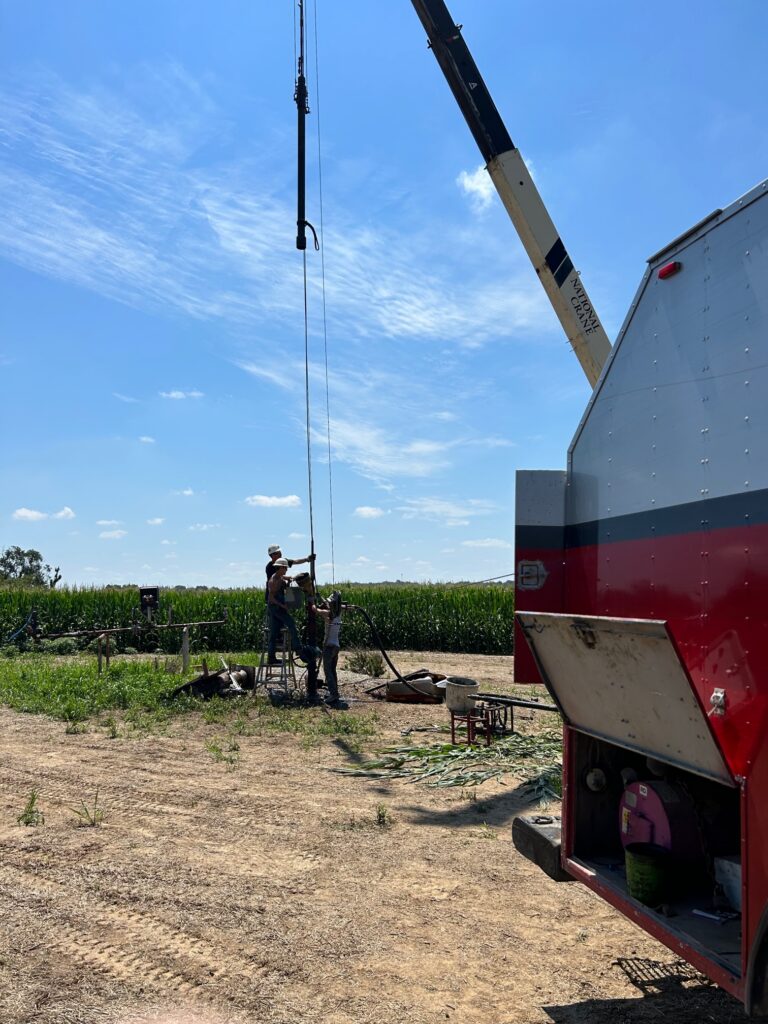
Tradewater’s inaugural orphaned well plugging project, OOG1, consisted of three wells that posed a significant…
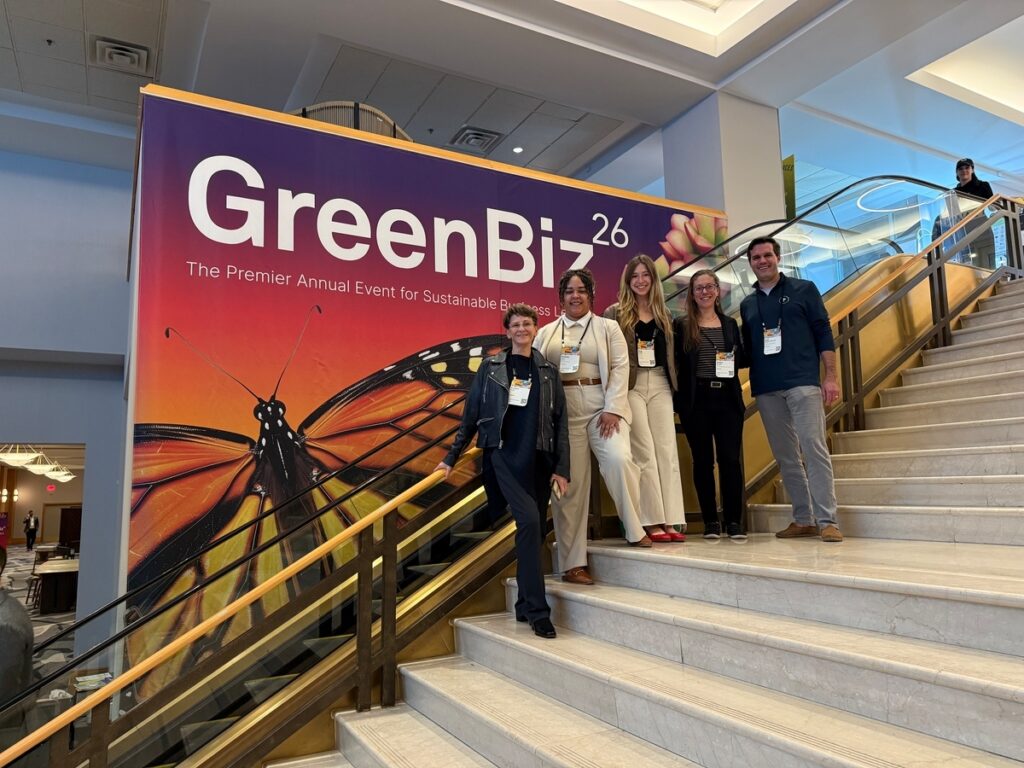
If there was one through line that resonated at GreenBiz 2026, it was the dichotomy…
Incoming CEO Kirsten Dueck brings decades of experience in impact investing, social enterprise, and executive…